USDOT Launches American Supply Chain Sovereignty Initiative to Enhance Port Transparency
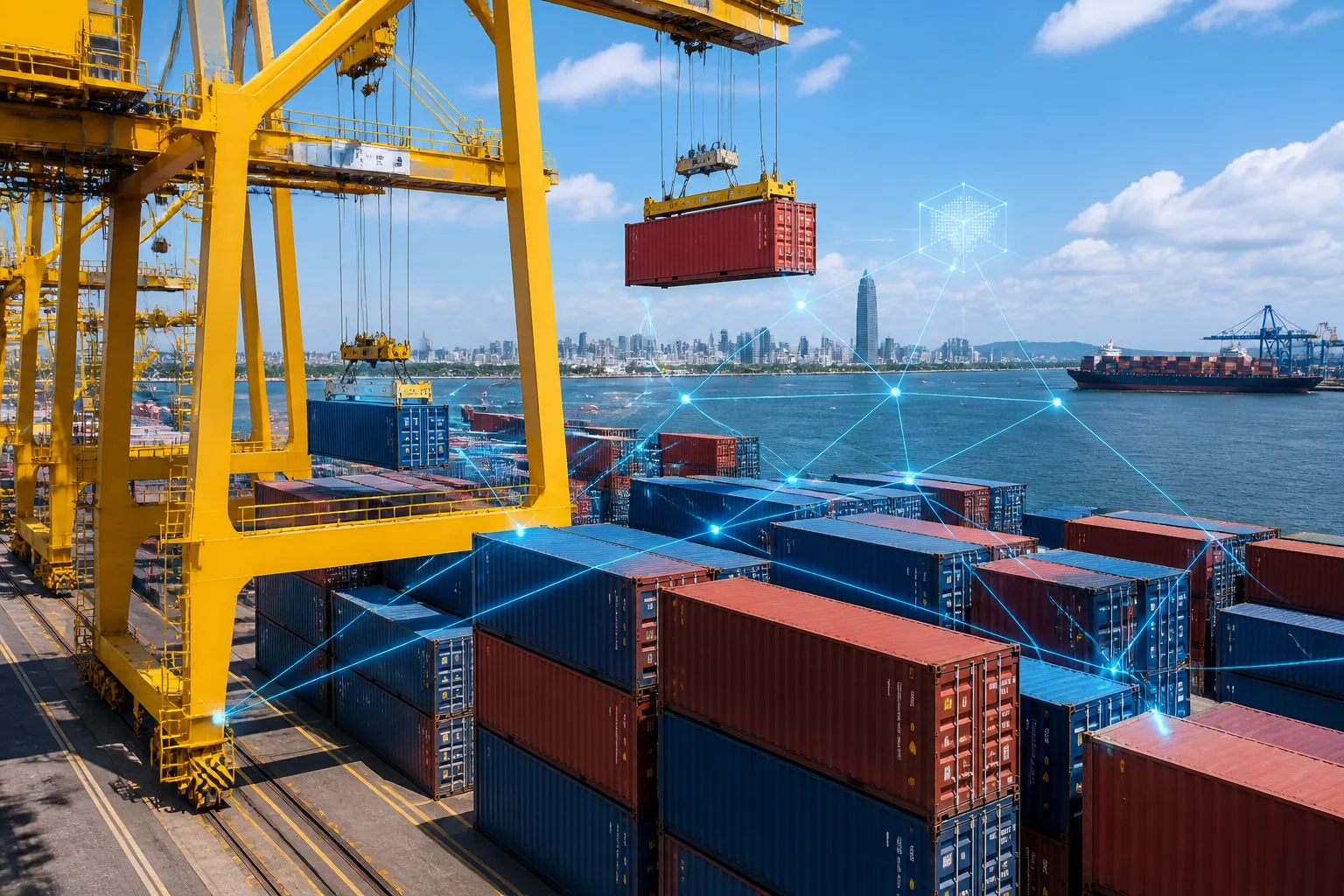
On June 15, 2026, the U.S. Department of Transportation (USDOT) announced the American Supply Chain Sovereignty Initiative, a new program that will create a high‑visibility dashboard linking major U.S. ports and cargo hubs with ocean carriers, transportation companies and retailers. The dashboard is intended to provide real‑time visibility of cargo movements, accelerate processing at ports, lower logistics costs, and strengthen the transportation workforce, according to a USDOT press release.
The initiative builds on the success of the USDOT’s Freight Logistic Optimization Works (FLOW) program, which was launched in 2022 to improve freight efficiency through data sharing and analytics. It also aligns with the goals of the 2026 National Freight Strategic Plan, released in May 2026, which calls for a more integrated, technology‑driven freight system. The new dashboard will extend these efforts by offering a single, publicly accessible view of cargo status across the supply chain.
Secretary of Transportation Sean Duffy introduced the initiative during a visit to the Port of Los Angeles, the nation’s busiest container terminal. “A more transparent supply chain will accelerate cargo processing, lower logistics costs and empower America’s transportation workforce,” USDOT officials said in the announcement. The statement emphasized that the dashboard would allow shippers, carriers and retailers to track containers from the ocean carrier to the final destination, reducing delays and improving coordination.
A key feature of the initiative is role‑based access to specific data points. USDOT officials said that the dashboard will allow users to view information that is relevant to their role—such as port operators, trucking firms, rail carriers and retail logistics managers—while protecting sensitive commercial data. The agency is requesting that Congress include legislation in the current fiscal year’s National Defense Authorization Act (NDAA) to authorize the creation of these access controls. The NDAA is a defense authorization bill that sets the budget and policies for the Department of Defense; it is also a vehicle for authorizing other federal programs that support national security and infrastructure.
The initiative’s emphasis on data transparency is part of a broader trend in the transportation sector. The 2026 National Freight Strategic Plan, launched in May, calls for increased use of digital tools to improve freight flow, reduce congestion and support the transition to cleaner, more efficient modes of transport. The FLOW program, which began in 2022, has already demonstrated how shared data can reduce truck wait times at ports and improve scheduling accuracy for rail carriers.
The American Supply Chain Sovereignty Initiative is expected to have a direct impact on the intermodal freight industry. By providing a unified view of cargo movements, shippers will be able to better coordinate rail and truck transfers, potentially reducing the number of empty miles and lowering emissions. Retailers, which rely on timely delivery of goods, will also benefit from reduced lead times and improved inventory management.
While the initiative is still in the planning phase, USDOT officials have indicated that the dashboard will be developed in partnership with industry stakeholders, including port authorities, ocean carriers, trucking associations, rail operators and retail logistics groups. The agency has also stated that it will work with Congress to secure the necessary authorization in the NDAA, which is expected to be finalized in the coming months.
In summary, the USDOT’s American Supply Chain Sovereignty Initiative seeks to create a high‑visibility, role‑based dashboard that connects major ports, cargo hubs, ocean carriers, transportation companies and retailers. The program builds on the FLOW program and the 2026 National Freight Strategic Plan, and it will rely on legislation in the NDAA to authorize role‑based data access. If implemented, the initiative could accelerate cargo processing, lower logistics costs and strengthen the U.S. transportation workforce.