Ohio Governor Race: Ramaswamys $30 Million Fundraising vs. Actons Grassroots Drive
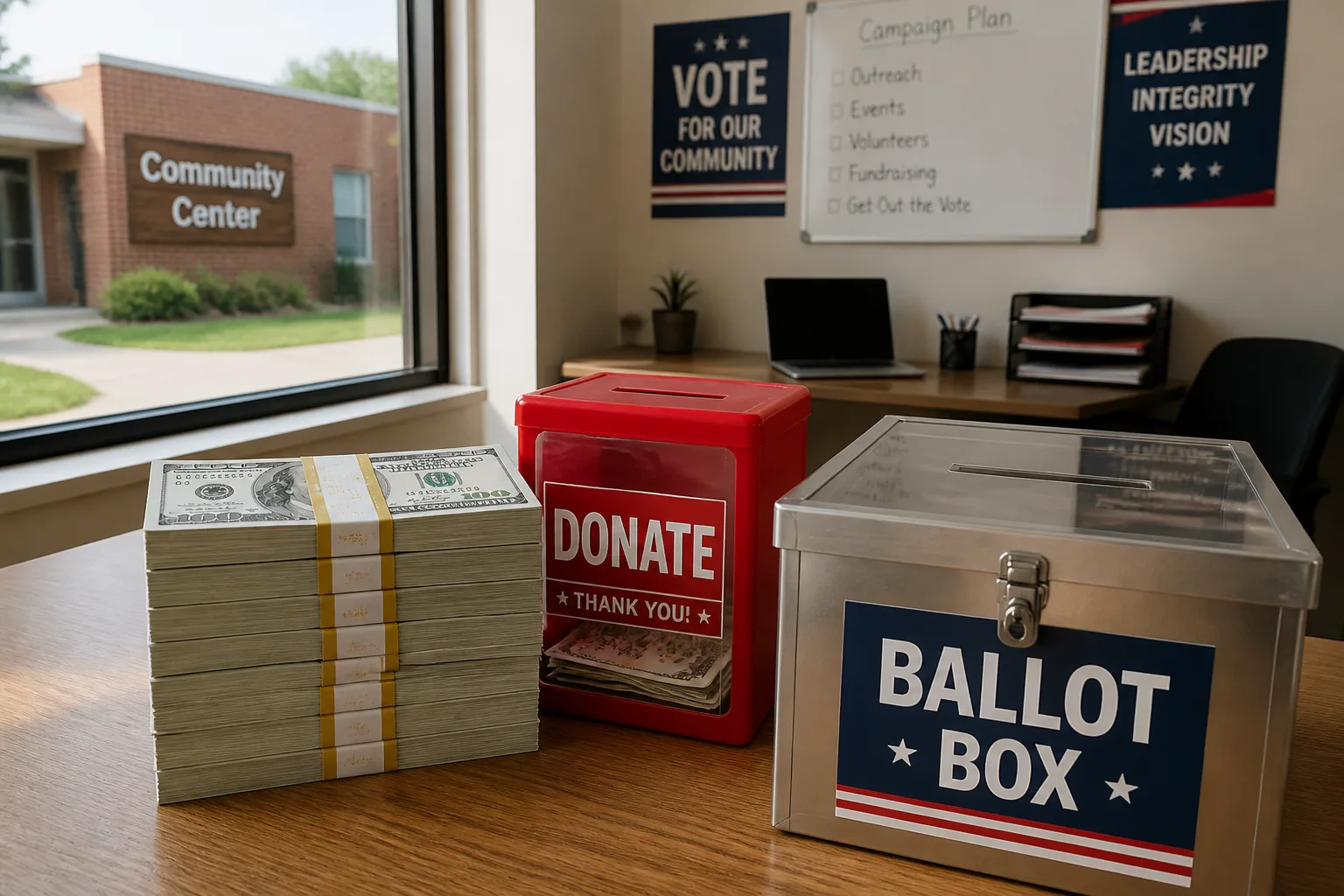
Ohio’s gubernatorial showdown is turning into a money war. In the November 3, 2026 election, the state’s fate will hinge on a contest that, on paper, looks like a tie but is, in reality, a battle of budgets.
Vivek Ramaswamy, a Cincinnati native who built a $2.7 billion fortune as the founder of Roivant Sciences, entered politics as the youngest candidate in the 2024 Republican primaries and later endorsed Donald Trump. He won the GOP primary on May 5, 2026, becoming Ohio’s nominee. Across the aisle, Amy Acton—a physician and researcher who served as Ohio’s Department of Health director during the early months of the COVID‑19 pandemic—captured the Democratic nomination unopposed in the same primary. With Governor Mike DeWine barred from a second term, the stage is set.
The fundraising gap is stark. Ramaswamy has raised roughly $30 million, including a $25 million personal loan he made to his campaign—a sum he can repay later with fresh contributions. His donors come from a national base, while Acton’s campaign relies heavily on low‑value grassroots donations from Ohio residents. According to Acton’s team, she receives twice as many individual contributions from Ohioans as Ramaswamy.
A key player in the spending war is V‑PAC, a right‑wing independent expenditure committee that backs Ramaswamy. The group has pledged at least $25 million for a series of 30‑second television ads that attack Acton. The first ad, released on June 5, shows grainy images of Acton and labels her the “liberal who shut down Ohio” during the pandemic, citing school closures and business shutdowns. Acton’s campaign manager, Phillip Stein, called the attack a “desperate attempt to salvage his struggling campaign” and warned Ohioans that Ramaswamy is “only out for himself.” Neither Ramaswamy nor V‑PAC has responded to requests for comment.
Acton’s pandemic role is tied to Governor DeWine, who issued the executive order that shut down dine‑in restaurants and sporting events in March 2020. DeWine told a Columbus TV station in December that the decisions were his and that “no one should blame someone else if they don’t like it.” The statement is often cited by Acton’s supporters to counter the V‑PAC narrative.
The Democratic Governors Association (DGA) has also entered the fray. Under the banner of a PAC called “Ohioans for Lower Costs,” the DGA has purchased television time beginning September 8 and running through Election Day. No public data yet indicate how much the DGA will spend in Ohio, nor whether its ads will be negative toward Ramaswamy or positive messages about Acton. The timing of the spending will likely depend on statewide polling as Labor Day approaches.
With polls showing a tie and a spending war underway, the race is poised to become a high‑stakes battle of money and messaging. Ramaswamy’s campaign benefits from V‑PAC’s large ad budget, while Acton’s grassroots base and the DGA’s potential counter‑ads could level the playing field. The outcome will hinge on how voters respond to the contrasting narratives and the effectiveness of each side’s advertising strategy.
The Ohio governor’s race will conclude on Election Day, with the winner slated to be inaugurated on January 11, 2027.