Rhode Island Declines to Join Trump-Backed Great American State Fair Amid Budget Constraints
When the buzz of Washington’s National Mall turned into a 16‑day showcase from June 25 to July 10, Rhode Island made a quiet but decisive exit. The state’s spokesperson, Faith Chybowski, told Rhode Island Current that the 2026 Great American State Fair—an ambitious, Trump‑aligned celebration of the nation’s 250th birthday—would not feature the Ocean State.
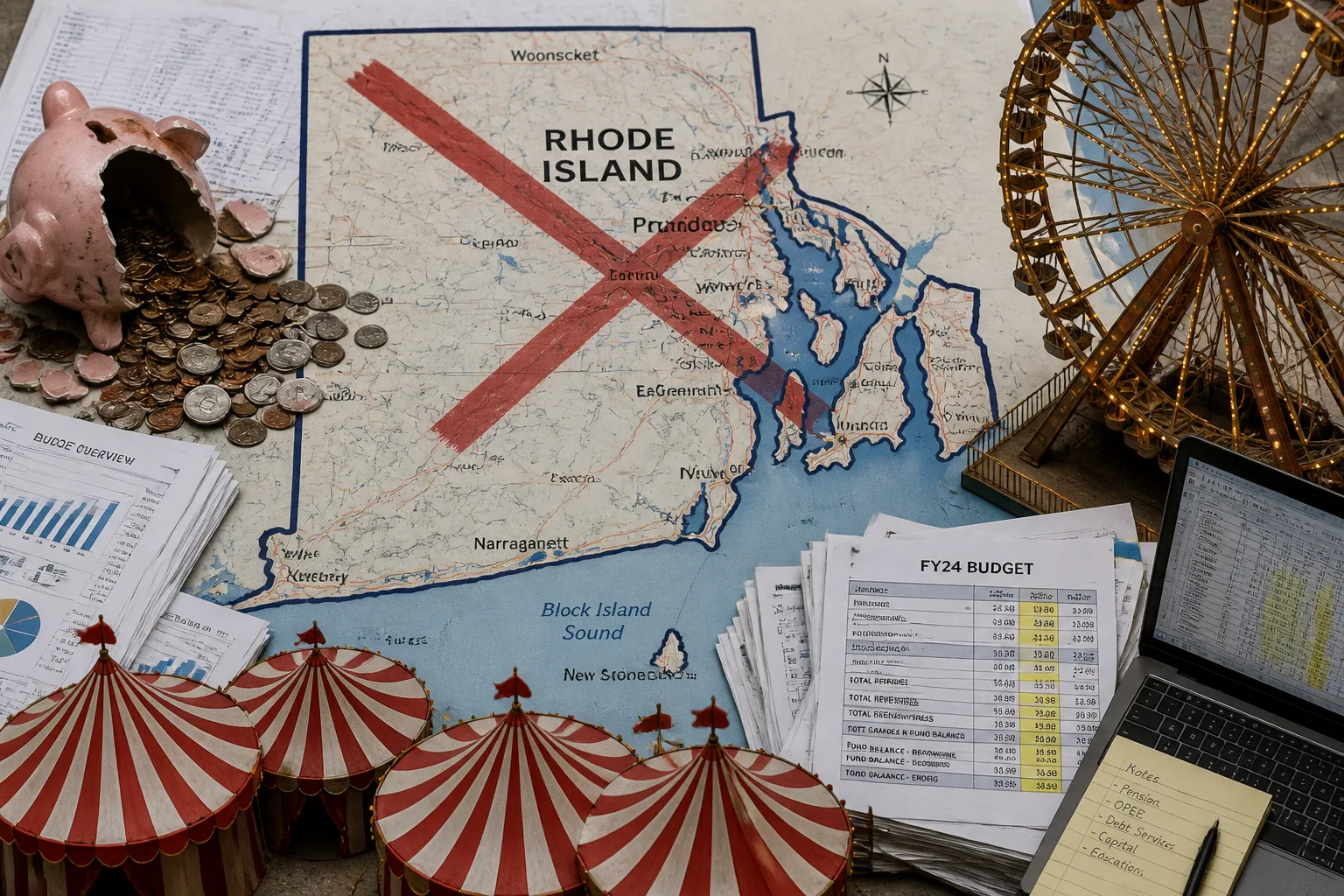
The choice came on the heels of a hard‑look at finances and staffing. Chybowski explained that the Rhode Island Secretary of State’s office and the RI250 Commission already had a packed calendar of 250‑related events, and that the state’s single full‑time staffer could not stretch to support a National Mall booth without compromising local projects.
The fair itself is the brainchild of Freedom 250, a nonprofit founded on January 29, 2025, and backed by President Donald Trump. As the White House Task Force on Celebrating America’s 250th Birthday, Freedom 250 has taken over the branding and funding of the country’s milestone celebrations, positioning the State Fair as a modern‑day World’s Fair with exhibits from every state and territory.
Rhode Island’s own plans, meanwhile, are set for July 4 in Providence. The RI250 Commission—established in 2021 to promote statewide programming—received just over $324,000 from the General Assembly last year. That money largely went to grants for municipalities and local events, and to a special WaterFire lighting on the river. The commission’s lone full‑time staffer, coupled with the $1 million earmarked for the WaterFire from the Joint Committee on Legislative Services, left little room for a National Mall presence.
Chybowski’s email to Rhode Island Current made clear: “Rhode Island’s semiquincentennial commemoration is taking place in Providence on July 4, and staff are also supporting many other 250‑related events across the state at the same time as the State Fair.”
Rhode Island is not alone. CNN reports that Oregon, Washington, Massachusetts, Illinois, North Carolina, and Connecticut have all backed out, citing high costs. The Bangor Daily News added that Maine has also withdrawn.
Freedom 250, however, insists that a state’s withdrawal does not mean it will be absent from the celebration. Spokesperson Rachel Reisner told Rhode Island Current that “whether represented by a governor’s office, a tourism board, or a beloved state company or organization, every community will be celebrated, and every American will see themselves in this once‑in‑a‑generation event.”
Reisner added that each state and territory will receive roughly 600 square feet of space to build immersive, interactive exhibits showcasing their unique culture, history, and contributions. Rhode Island, though, will rely on its own statewide events to keep its story front and center.
Keith Stokes, Rhode Island’s historian laureate and a member of the RI250 Commission, shrugged off the missed opportunity. “At the end of the day, you control what you have,” he said. He highlighted local projects—an upcoming exhibition at the Rosecliff mansion in Newport that examines how diverse Newporters experienced the Revolution, the weekly planting of red maple trees, and the Bristol Fourth of July Parade, which he described as “mini ones every week.”
The Great American State Fair is billed as a “world‑class exposition and modern‑day World’s Fair.” While Rhode Island will not have a booth on the National Mall, its semiquincentennial events in Providence and across the state aim to showcase the state’s role in America’s founding.
The decision underscores a broader challenge: balancing limited budgets with the desire to participate in national celebrations. As the United States approaches its 250th anniversary of the Declaration of Independence on July 4, 2026, states will continue to weigh the costs and benefits of national versus local commemorations.
Looking ahead, Rhode Island’s next steps are clear: continue its state‑wide celebrations, leverage local venues to highlight its historical contributions, and ensure that residents and visitors alike see the Ocean State’s place in the American story.