Pakistans Prime Minister Announces US-Iran Peace Deal Near Finalization
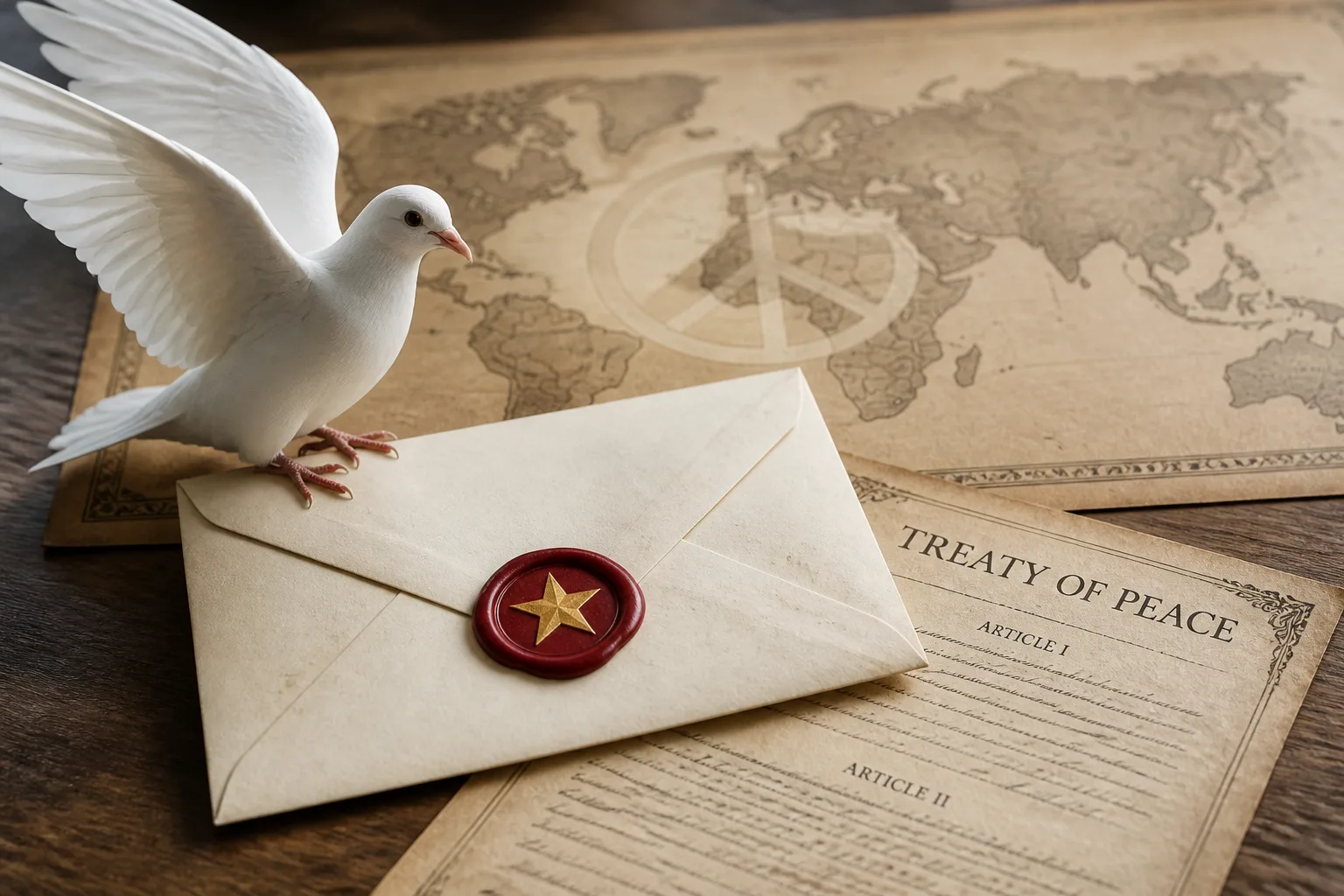
On Saturday, June 13 2026, Pakistan’s Prime Minister Shehbaz Sharif took to X and dropped a headline‑making update: a peace agreement between the United States and Iran is slated to be sealed within the next 24 hours. He added that Pakistan is ready to electronically sign the document immediately after it’s finalized, followed by technical‑level talks the following week.
Sharif’s announcement comes after weeks of mediation that kicked off in early April, when the U.S. and Iran agreed to a two‑week ceasefire that halted 40 days of U.S.–Israeli attacks on Iranian targets. Although the ceasefire was meant to last only two weeks, negotiations kept rolling on beyond that period.
The conflict that prompted the ceasefire began on February 28 2026, when the United States and Israel launched a joint strike on Iranian military and civilian sites, including the alleged assassination of Supreme Leader Ali Khamenei. The war escalated quickly, with Iran sending one‑way attack drones toward the Strait of Hormuz—a critical chokepoint that carries a significant portion of the world’s oil and liquefied natural gas.
In the days leading up to the ceasefire, President Donald Trump threatened to strike Iranian infrastructure to the point that the country’s “whole civilization” would die out, setting a deadline for just after Easter. Trump’s remarks on Truth Social highlighted concerns about infighting within the Iranian leadership, which he said made diplomatic discussions difficult.
On Friday, Iranian Foreign Minister Abbas Araghchi told state television that the framework of the tentative deal showed Iran as the winner of the war with the United States. Hours later, U.S. forces shot down multiple Iranian attack drones that had targeted commercial shipping in the Strait of Hormuz. U.S. Central Command confirmed that all drones were downed and that traffic flow through the strait remained unimpeded.
The Trump administration has made it clear that two of its non‑negotiable terms are keeping the Strait of Hormuz open for oil exports and removing Iran’s ability to develop a nuclear weapon. These conditions have been cited by U.S. officials as key elements of any final agreement.
Pakistan has historically served as Iran’s protecting power in the United States, a role that has positioned it to act as a neutral mediator between the two countries. Sharif’s recent posts thank both the United States and Iran for their commitment to the negotiations and express confidence that the historic peace deal will lay a strong foundation for lasting peace in the region.
The United States and Iran have had no formal diplomatic relations since April 1980. The war’s escalation and the subsequent ceasefire have highlighted the importance of third‑party mediation in resolving high‑stakes conflicts. If the deal is signed as anticipated, it would mark the first formal agreement between the two nations since the 1979 Islamic Revolution.
The international community is closely watching the developments, as the outcome will affect not only the security dynamics of the Middle East but also global energy markets that rely on the Strait of Hormuz.
For now, the world waits for the final text of the agreement, which is expected to be signed electronically by Pakistan and then shared with the United States and Iran for ratification.