
Revisiting the 2000 Election Recount: A Quarter Century Later
The 2000 U.S. presidential election remains one of the most contentious and closely scrutinized elections in American history. Twenty-five years later, the recount process continues to offer lessons on electoral integrity, legal challenges, and democratic resilience.
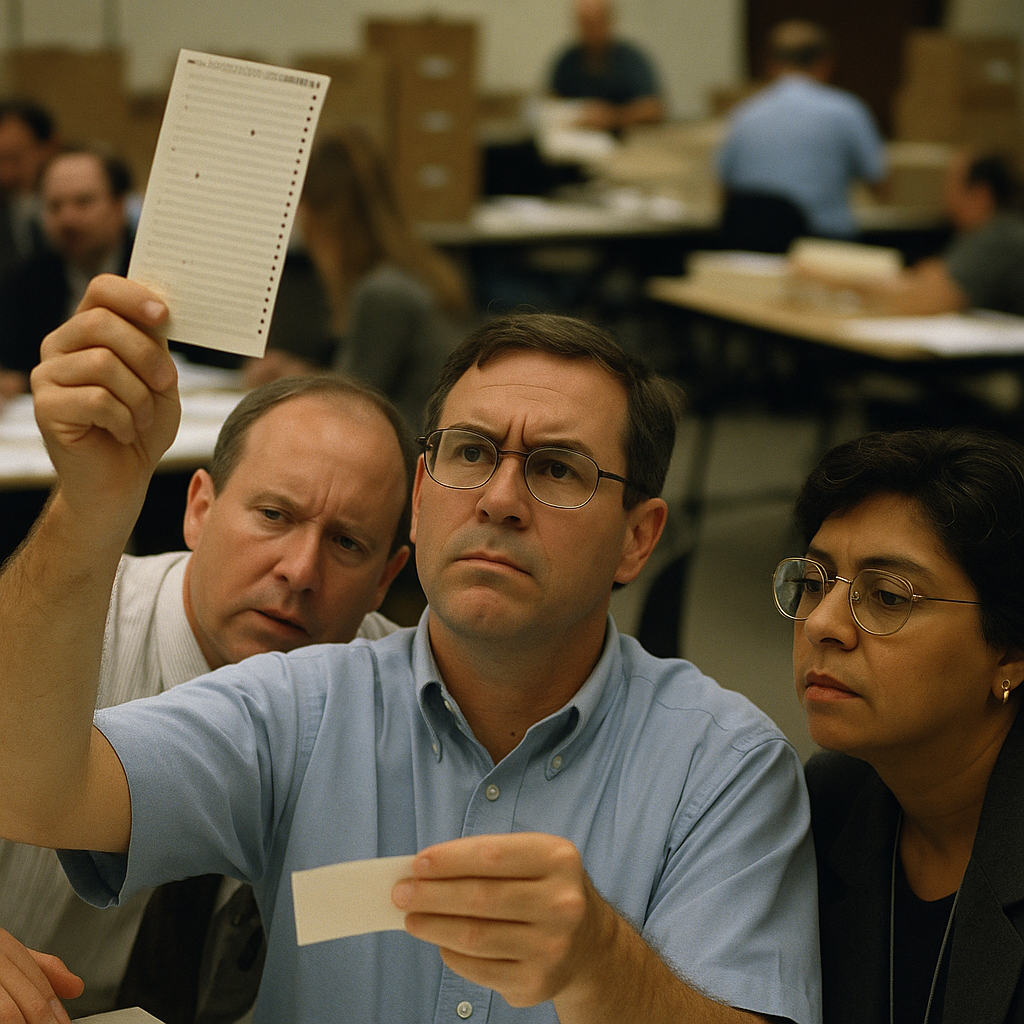
In the year 2000, the United States witnessed one of its most disputed presidential elections, culminating in a recount process that captivated the nation and tested the robustness of its democratic institutions. Now, twenty-five years later, the election and its recount remain subjects of analysis, reflection, and debate.
The election featured Republican candidate George W. Bush and Democratic candidate Al Gore, with the outcome hinging on the results from Florida. The razor-thin margin in Florida prompted automatic recounts and a series of legal battles that eventually reached the U.S. Supreme Court.
The Florida Recount and Legal Battles
Florida's initial vote count showed Bush leading Gore by a few hundred votes out of nearly six million cast. Given the narrow margin, state law mandated a machine recount. However, discrepancies in ballots, such as the notorious "butterfly ballots" and "hanging chads," raised questions about voter intent and ballot validity.
Subsequently, the Gore campaign requested manual recounts in several counties, leading to legal challenges over the scope and procedures of these recounts. The situation escalated to the Florida Supreme Court, which ordered a statewide manual recount. The Bush campaign contested this decision, arguing that the varying standards across counties violated equal protection under the law.
The case eventually reached the U.S. Supreme Court in Bush v. Gore. On December 12, 2000, the Court issued a 5-4 decision halting the recount, effectively awarding Florida's electoral votes—and the presidency—to Bush.
Impact on Electoral Processes
The 2000 election exposed vulnerabilities in the American electoral system, particularly regarding voting technology and ballot design. The widespread use of punch-card ballots and mechanical voting machines came under scrutiny, leading to calls for modernization.
In response, Congress passed the Help America Vote Act (HAVA) in 2002, allocating funds to replace outdated equipment, improve voter registration databases, and establish the Election Assistance Commission. These reforms aimed to enhance accuracy, accessibility, and voter confidence.
Lessons Learned and Continuing Relevance
Reflecting on the recount 25 years later, experts emphasize the importance of clear and uniform voting standards to prevent disparities across jurisdictions. The election also highlighted the critical role of the judiciary in election disputes and the potential consequences of partisan divisions in electoral oversight.
Moreover, the 2000 recount serves as a reminder of the need for transparency and public trust in the electoral process. Subsequent elections have witnessed ongoing debates over voter access, election security, and the balance between state and federal election authority.
Conclusion
As the nation marks a quarter century since the 2000 presidential election recount, the event remains a pivotal chapter in U.S. political history. Its legacy continues to inform discussions on electoral reforms and democratic resilience amid evolving challenges.