
Assessing the Impact of Donald Trump’s Economic Legacy on the GOP’s House Majority Prospects
As the 2026 midterm elections approach, the Republican Party’s chances of securing a House majority are under intense scrutiny. This article examines whether former President Donald Trump's economic policies and associated challenges have significantly undermined the GOP’s prospects.
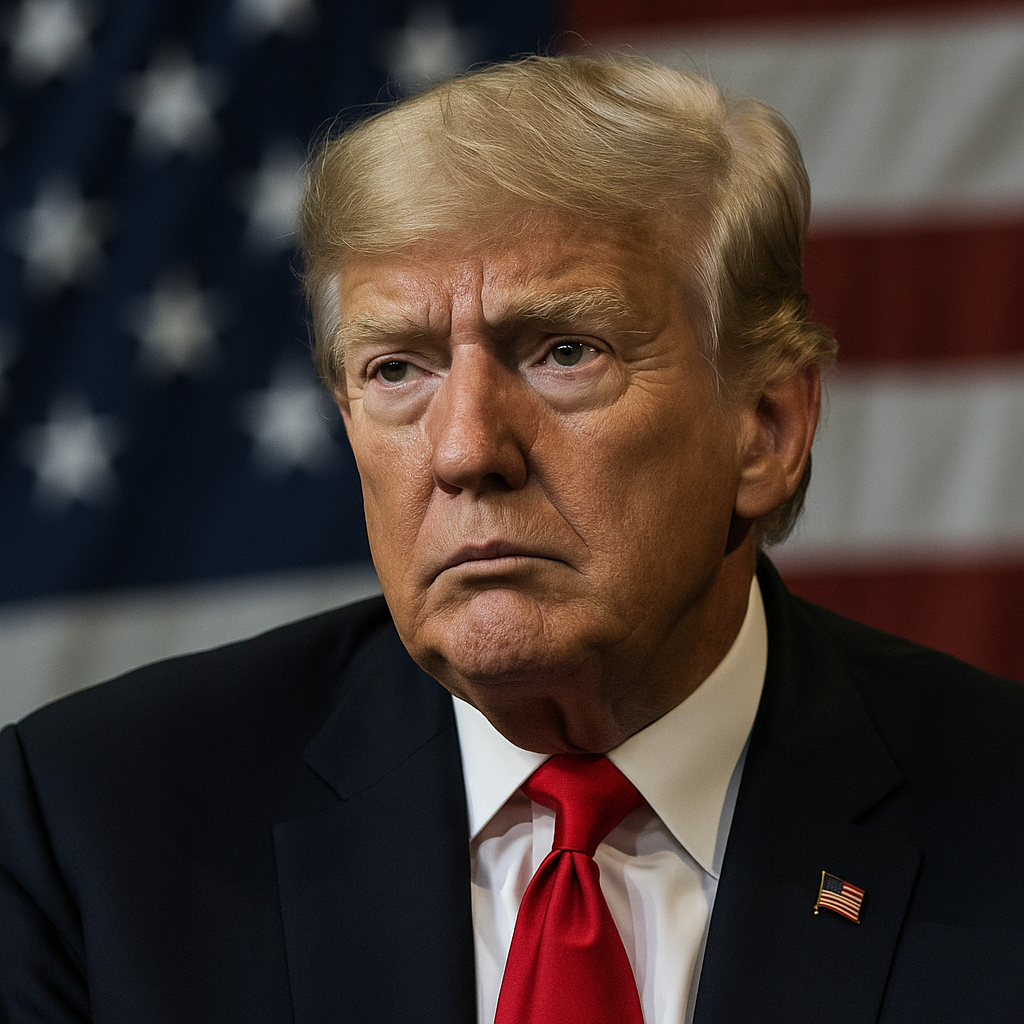
With the 2026 midterm elections on the horizon, much attention has been focused on the Republican Party’s prospects of regaining control of the U.S. House of Representatives. Central to this analysis is the influence of former President Donald Trump’s economic legacy, which continues to shape voter perceptions and party dynamics. This article explores whether Trump's economic challenges have critically damaged the GOP’s chances to secure a House majority.
Background: The GOP and the House Majority
Following the 2022 midterms, Democrats maintained a slim majority in the House, despite expectations of significant Republican gains. The 2026 elections are viewed as a pivotal moment for the GOP to capitalize on political momentum and voter dissatisfaction. However, economic issues remain a decisive factor for many voters, influencing their preferences and turnout.
Trump’s Economic Policies: A Mixed Legacy
Donald Trump's tenure as president was marked by a number of significant economic policies, including tax cuts, deregulation efforts, and trade policy shifts. The 2017 Tax Cuts and Jobs Act, for example, lowered corporate tax rates and aimed to stimulate growth, but critics argue it disproportionately benefited wealthier Americans and increased the federal deficit.
Additionally, Trump's approach to trade, particularly his imposition of tariffs on China and other countries, sought to protect American manufacturing but also led to retaliatory tariffs and disruptions in supply chains. These policies elicited mixed reactions among voters, with some applauding the focus on American jobs and others concerned about rising consumer prices.
Economic Challenges Post-Trump Administration
After Trump left office, the U.S. economy faced several challenges, including inflation spikes, supply chain issues, and labor market shifts. While these issues cannot be solely attributed to Trump’s policies, his administration’s decisions contributed to the economic environment inherited by subsequent leaders.
High inflation rates in 2021 and 2022, for instance, eroded purchasing power for many Americans and became a focal point in political debates. The Biden administration cited pandemic-related disruptions and global factors as primary causes, but opponents linked inflation to prior fiscal policies and regulatory decisions.
Voter Perceptions and the GOP’s Electoral Outlook
Polls show that economic concerns remain at the forefront of voters’ minds. However, opinions on Trump’s role are divided. Among Republican voters, Trump retains substantial support, with many viewing him as a champion of economic nationalism and conservative fiscal principles. Conversely, moderate and independent voters often associate Trump’s tenure with economic uncertainty and political instability.
These divisions present challenges for the GOP as it seeks to expand its base. Candidates aligned closely with Trump may energize core supporters but risk alienating swing voters in competitive districts. Conversely, candidates distancing themselves from Trump’s economic record might struggle to mobilize the party’s enthusiastic base.
Expert Analysis and Forecasts
Political analysts emphasize that while Trump's economic legacy is a significant factor, it is one of many influencing the midterm outcomes. Other elements include the national political climate, candidate quality, campaign strategies, and local issues.
Some experts suggest that economic dissatisfaction could motivate voters to favor Republicans, particularly if inflation and cost-of-living concerns persist. Others caution that lingering controversies associated with Trump might depress turnout or push independents toward Democrats.
Conclusion
Donald Trump’s economic policies and their aftermath have undoubtedly shaped the political landscape heading into the 2026 midterms. While they present challenges for the Republican Party, attributing the GOP’s House majority chances solely to Trump’s economic legacy oversimplifies a complex electoral environment.
Ultimately, the GOP’s success will depend on its ability to navigate voter concerns, balance internal party dynamics, and present compelling economic solutions that resonate across the electorate. As election day approaches, analysts and voters alike will closely watch how these factors play out in determining control of the House.