
America Needs Younger Political Leaders to Drive Future Progress
As the United States faces unprecedented challenges, the call for younger political leaders grows louder. Fresh perspectives, innovative ideas, and a closer connection to emerging generations are vital for effective governance and sustainable progress.
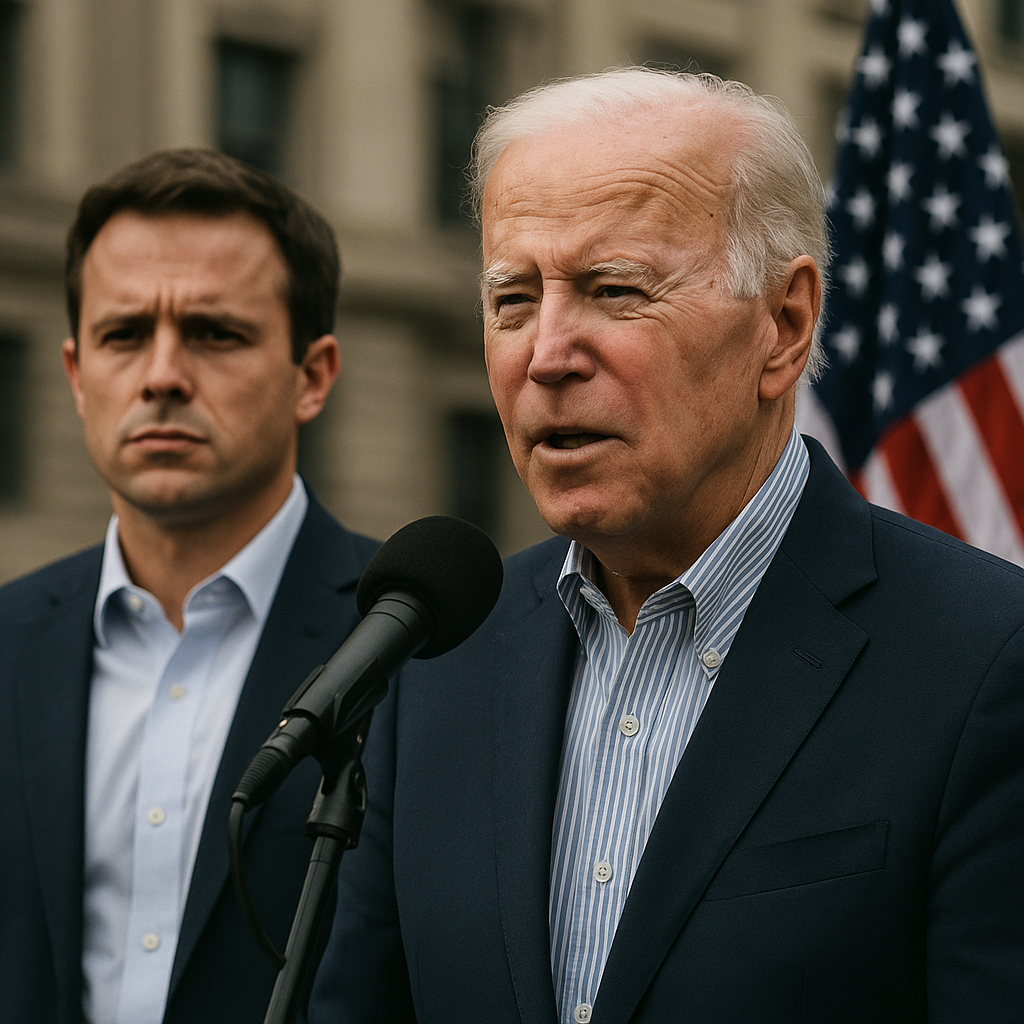
In a nation as dynamic and diverse as the United States, the leadership at the helm must reflect not only the current realities but also the aspirations of future generations. Yet, American politics remains dominated by an older generation, with a median age in Congress well above that of the general population. This discrepancy raises important questions about representation, responsiveness, and the capacity to address the complex challenges that lie ahead.
The Age Gap in American Politics
As of 2024, the average age of members of the U.S. Senate is approximately 64 years, and the House of Representatives averages around 58 years. While experience and wisdom are invaluable assets in governance, the significant age gap between elected officials and younger Americans means that emerging issues may not receive the attention or innovative solutions they demand.
Young people today face unique pressures—from climate change and technological disruption to student debt and shifting labor markets. These challenges require creative policy responses that are often better understood and championed by leaders who have recently navigated similar experiences or who prioritize long-term thinking.
Why Younger Leaders Matter
Younger political leaders bring fresh perspectives and a willingness to challenge entrenched norms. They tend to be more attuned to digital communication, social media dynamics, and the evolving cultural landscape, enabling them to connect with a broader demographic and engage constituents more effectively.
Moreover, younger politicians often approach problems with innovation and adaptability, qualities essential in an era of rapid change. Their proximity to issues like affordable education, mental health awareness, and climate activism equips them with firsthand insight, fostering policies that resonate with younger voters.
Bridging the Generational Divide
The infusion of younger leaders in politics does not mean sidelining seasoned politicians. Instead, it calls for a balanced representation that embraces both experience and innovation. Mentorship programs, bipartisan initiatives, and party support can help cultivate a pipeline of young leaders prepared to assume greater responsibilities.
Additionally, political institutions must address barriers that discourage youth participation, such as the high costs of campaigning, lack of access to influential networks, and limited media exposure. Creating an inclusive political environment encourages diverse voices and fosters a healthier democracy.
Examples of Emerging Young Leaders
Recent years have seen a rise in young political figures making significant impacts at local, state, and national levels. Leaders in their 20s and 30s have introduced progressive policies, pushed for greater transparency, and mobilized youth engagement in elections. Their successes demonstrate the potential for younger generations to revitalize American politics.
Looking Ahead: The Future of American Leadership
As America confronts pressing issues such as economic inequality, climate change, and social justice, the need for leaders who understand and prioritize the concerns of younger generations is more critical than ever. Encouraging and electing younger political leaders will help ensure that policies are forward-thinking, inclusive, and sustainable.
In conclusion, America's political landscape must evolve to better reflect the demographics and values of its population. Embracing younger leaders is not merely a matter of age—it is a strategic imperative to foster innovation, inclusivity, and resilience in governance. By doing so, the nation can build a brighter future for all its citizens.