Picketa Secures $2.1 Million Seed Round to Expand On-Field Crop Nutrient Testing Amid Rising Fertilizer Costs
When fertilizer prices have been climbing for months, a Fredericton‑based AgTech startup has answered the call by raising $2.1 million in a seed round that will let it scale its Leaf‑Evaluated Nutrient System (LENS). The move gives North American growers a faster, cheaper way to tell their fields exactly how much nitrogen, potassium or micronutrients they need, a critical advantage when feed costs are as high as they are now.
Global fertilizer prices have surged in 2026, fueled by the war in Iran and a temporary shutdown of the Strait of Hormuz. In a world where every pound of nitrogen matters, Picketa’s LENS offers a rapid, on‑site plant‑tissue analysis that would otherwise take weeks in a laboratory.
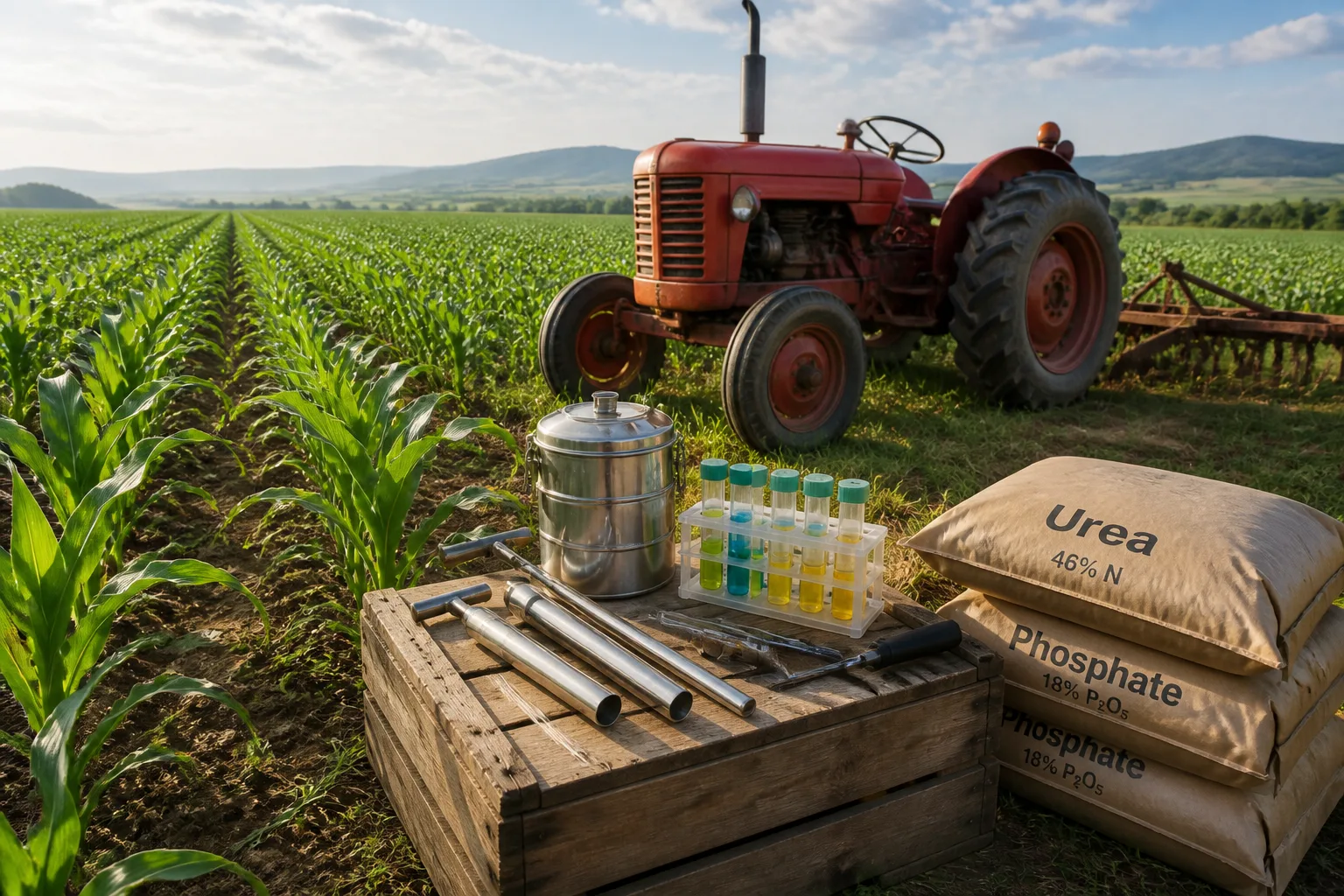
LENS uses AI‑powered spectroscopy to measure macro‑ and micronutrients in a leaf sample in under a minute. The device then compares the result to a global database of thousands of plant samples at different growth stages. Picketa claims the data can help growers save up to 20 % on in‑season fertilizer expenditures. The system began with potatoes and now supports corn, canola, soybeans and wheat—crops that account for a significant portion of North American production.
According to the company, LENS is already sold through 45 agricultural retailers and has quadrupled its user base in the past two years. More than 1,000 farms across Canada and 16 U.S. states use the device, and Picketa is expanding into 13 additional states. “We’re seeing a lot of interest from farmers in the Midwest and Western Canada,” said co‑founder and CEO Xavier Hébert‑Couturier. “The goal is to make LENS as ubiquitous as a phone for agronomists and retailers, turning every field visit into a tissue test.”
The round was led by Tall Grass Ventures and included new investors BDC Seed Fund, Verdex Capital, and Skull Diamond & Heart Capital. Returning investors NBIF, Koan Capital and East Valley Ventures also participated. With the new capital, Picketa plans to increase LENS output to hundreds of units per year and hire about five additional sales and support staff. Picketa’s total funding to date is roughly $4.6 million, following a previously undisclosed $700,000 seed extension. The company’s Fieldbook platform receives the LENS data and helps farmers apply the right amount of fertilizer at the right time, improving yields and reducing waste.
The startup also reports interest from international growers. Hébert‑Couturier said he has heard from palm oil producers in Indonesia, wheat growers in Azerbaijan and cotton growers in the southern United States. While the company is focusing on its current markets, it is working to support 20 more crop types, including onions, carrots and celery.
The timing of the funding is significant. As fertilizer prices rise, farmers are looking for ways to use inputs more efficiently. Picketa’s real‑time tissue analysis offers a data‑driven alternative to the traditional “apply more nitrogen” approach. In the broader context, the 2026 Iran war and the Strait of Hormuz closure have disrupted global supply chains and pushed up fertilizer costs by up to 49 % in some markets. Picketa’s technology could help mitigate the impact on farmers’ bottom lines.
The company’s expansion plans are modest but clear: increase device production, broaden crop coverage, and deepen penetration in existing markets while exploring new international opportunities. As the agricultural sector faces higher input costs and tighter margins, Picketa’s LENS offers a practical tool for farmers to make more precise nutrient decisions.
The company’s next steps include scaling production, hiring additional staff, and continuing to refine its global database to support more crop types. With the new capital, Picketa is positioned to accelerate its growth and help farmers navigate a volatile input market.