Thousands Protest in Delhi Against Alleged NEET Exam Fraud, Demand Education Minister Resignation
On Saturday, June 6, 2026, a sea of students, unemployed youth and young professionals converged on Jantar Mantar in central Delhi to voice outrage over alleged fraud in the National Eligibility cum Entrance Test (NEET) and other government‑run entrance exams. The demonstrators, organized by the Cockroach Janata Party (CJP), demanded the resignation of Union Education Minister Dharmendra Pradhan, who is accused of overseeing corruption in NEET and the Central Board of Secondary Education (CBSE) exams.
The CJP, founded on May 16, 2026 by Abhijeet Dipke—a former political communications strategist for the Aam Aadmi Party (AAP)—sprang to life after Chief Justice Surya Kant’s May 15 remarks that branded unemployed youth and activists as “cockroaches” and “parasites.” Dipke turned the insult into a satirical rallying cry, posting a meme that elevated the cockroach to a symbol of defiance. Within days, the movement amassed over 20 million followers on Instagram, eclipsing the official accounts of the Bharatiya Janata Party (BJP), Congress and other registered political parties.
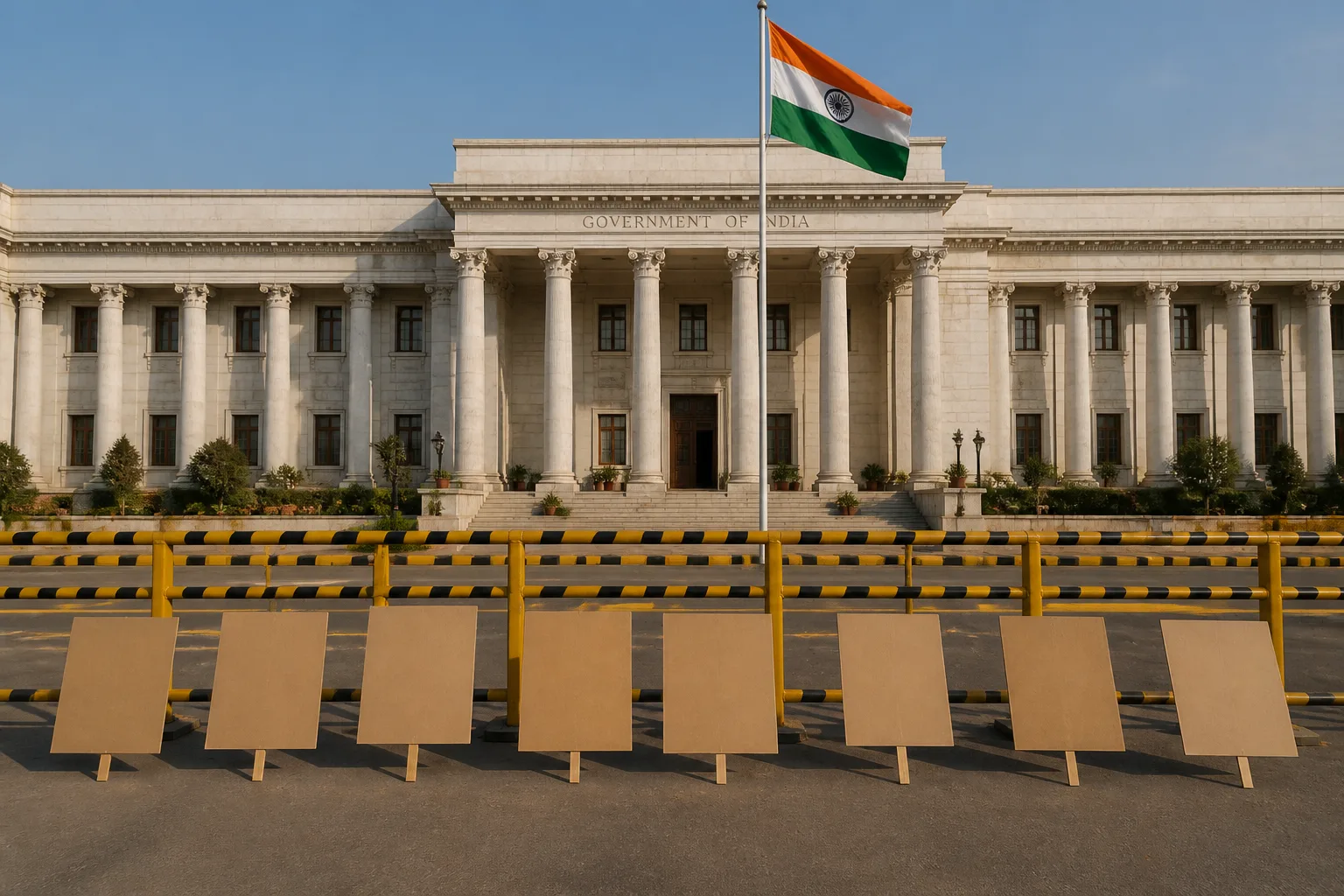
The Jantar Mantar protest marked the CJP’s first public event. Organizers handed out flyers, urged participants to stay in groups and bring sunscreen for Delhi’s intense heat, and set up a stage for speeches. Delhi Police and parliamentary security personnel were on standby to manage the crowd. Protesters unfurled placards calling for Pradhan’s resignation, demanding reforms in the examination system, and insisting the government investigate alleged paper leaks and corruption that have plagued NEET and other entrance exams.
Dipke, who lives in Boston, holds a Master’s degree in Public Relations from Boston University. He has previously worked as a communication strategist for AAP, a party that governs Delhi and Punjab and holds national party status. Before launching the CJP, Dipke posted a photo with Manish Sisodia, former deputy chief minister of Delhi and senior AAP leader, declaring that “no distance will ever weaken my commitment to AAP.” Sisodia later endorsed the CJP on social media. Dipke has denied that the CJP is a front for AAP, but he has not supplied evidence of the movement’s independence.
The CJP’s manifesto lists five demands, including banning legislators from defecting to rival parties. However, the platform does not address the root causes of youth unemployment, the quality of education, or the economic inequality that has driven millions of young people into precarious gig work. Critics argue that the movement channels frustration into protests that ultimately seek only minor reforms within the existing capitalist framework.
In a broader context of state repression, the Indian government blocked the CJP’s X account on May 21, citing national security concerns. The move followed arrests during protests in Delhi’s industrial suburbs in April. The Communist Party of India (Marxist) condemned the suppression but framed the CJP as a reflection of changing forms of political expression among the youth, without taking a clear stance against the BJP.
The protest underscored India’s persistent unemployment crisis. The Labour Force Survey reports that the country’s unemployment rate is the highest it has been in 45 years, and only a small fraction of the 10 million young people who enter the labour market each year find formal sector jobs. The promise of meritocracy through entrance exams has been undermined by allegations of corruption and paper leaks, leaving many students uncertain about their future.
While the CJP’s immediate goal is to pressure the government for Pradhan’s resignation and exam reforms, its long‑term impact remains uncertain. The movement’s rapid rise on social media and its ability to mobilise large crowds suggest that frustration among India’s youth is a significant political force. Whether the CJP will evolve into a sustained political party or remain a satirical protest movement is yet to be seen.