
AI Boom Drives 9% Growth in Chipmaking Equipment Sales to $126 Billion by 2026
Sales of chipmaking equipment are projected to rise 9% to $126 billion in 2026 and continue growing to $135 billion in 2027, fueled by increased demand for AI-capable logic and memory chips, according to SEMI.
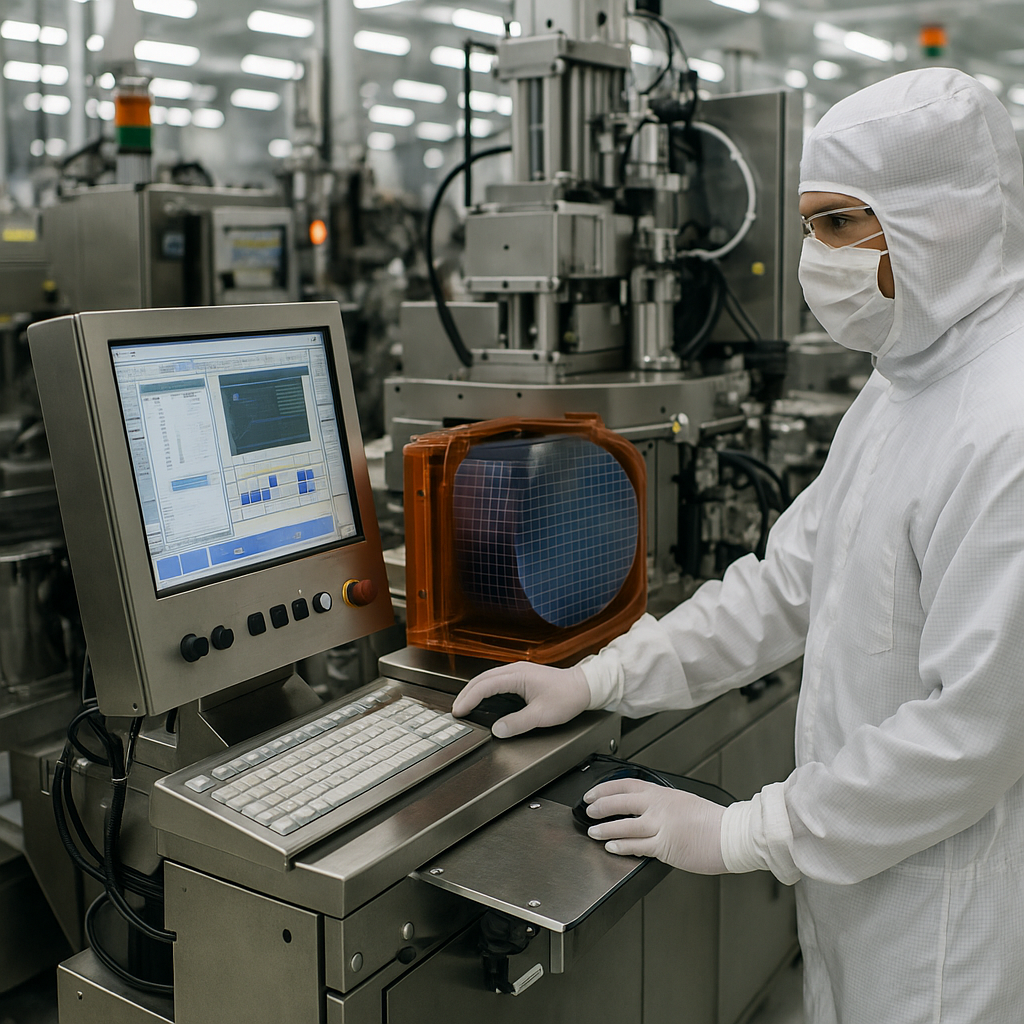
Sales of equipment used to manufacture computer chip wafers are expected to increase significantly in the next few years, driven by rising demand for artificial intelligence (AI) applications. Industry group SEMI forecast on Tuesday that global sales of chipmaking equipment will rise about 9% to $126 billion in 2026, followed by a further 7.3% increase to $135 billion in 2027.
The growth outlook reflects chipmakers' efforts to expand production capacity for advanced logic and memory chips, which form the backbone of AI technologies. These chips are critical components in data centers, AI accelerators, and other computing devices powering machine learning and automation.
"The AI boom is accelerating investment in semiconductor manufacturing equipment as chipmakers race to meet surging demand," SEMI stated in its latest market forecast. "Expanding capacity for both logic and memory chip production is driving the equipment market growth through 2027."
Asia is expected to remain the dominant region for chip production equipment sales. SEMI projects that China, Taiwan and South Korea will continue to lead the market through 2027, accounting for the majority of equipment investments. Among these, China is forecast to invest the most overall, reflecting its strategic focus on semiconductor self-reliance.
"China's investments in chipmaking infrastructure remain robust despite geopolitical tensions and export restrictions," SEMI noted. "The country's push to develop domestic semiconductor capabilities is a key driver of equipment demand in the region."
Semiconductor wafer fabrication equipment includes tools used in photolithography, etching, deposition, and inspection, all essential in producing high-performance chips. The rising complexity of AI chips, requiring advanced manufacturing nodes and novel architectures, is pushing chipmakers to upgrade their fab equipment.
SEMI's forecast comes amid a broader semiconductor industry recovery after a volatile 2022-2023 period marked by supply chain disruptions and cyclical downturns. The robust outlook for chipmaking equipment sales signals renewed confidence in the long-term growth potential of AI and related technologies.
However, challenges remain, including geopolitical uncertainties, trade restrictions, and the high costs associated with advanced semiconductor manufacturing. These factors could influence investment decisions in the coming years.
Despite these hurdles, the projected double-digit growth in equipment sales underscores the semiconductor industry's critical role in enabling AI innovation. As demand for smarter, faster, and more efficient chips grows, so too will the market for the sophisticated tools needed to produce them.
In summary, SEMI’s forecast indicates that chipmaking equipment sales will rise from approximately $115 billion in 2025 to $126 billion in 2026, then $135 billion in 2027, driven by the AI boom and leading Asian markets, with China as the largest investor. This trend highlights the intertwined futures of AI advancement and semiconductor manufacturing.